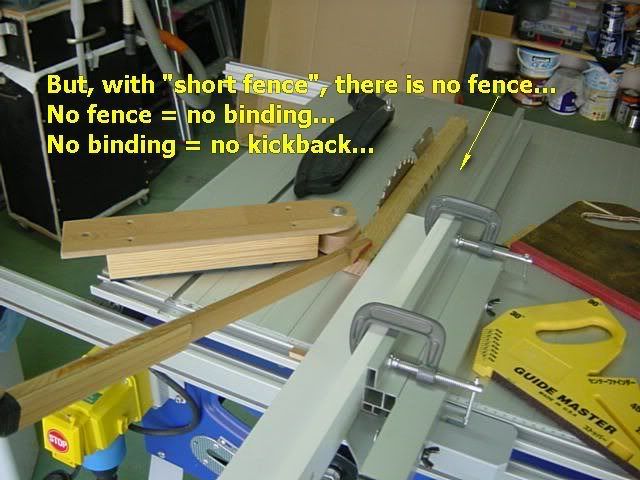
TS Alignment & Short fence

Collapse
This topic is closed.
X
X
 
  • Time
  • Show
Clear All
new posts
  • niki
    Senior Member
    • Nov 2006
    • 566
    • Poland
    • EB PK255

    #1

    TS Alignment & Short fence

    Good day

    I would like to share with you my method.

    I think that almost all TS's comes from the factory "almost" aligned so, I'm using this procedure to "fine tune" the factory "almost"...

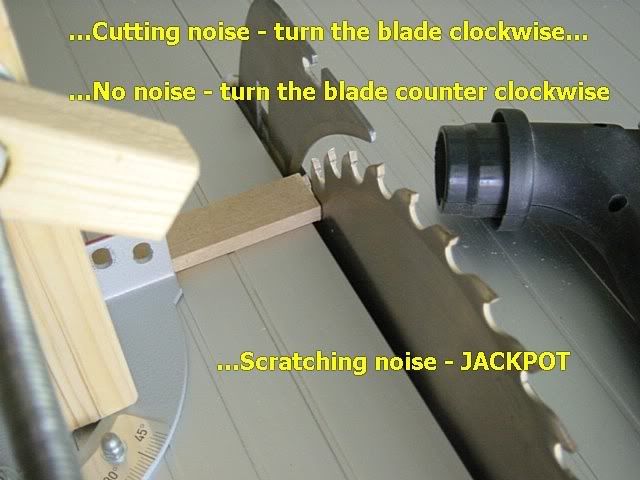
    As you'll see, I'm not using any Hi-Tech nor Lo-Tech instruments because every blade has some run-out and flutter and I think that the blade itself "knows" the best if it's aligned or not.

    I'm just "listening" what the blade it "telling" me and correcting accordingly...

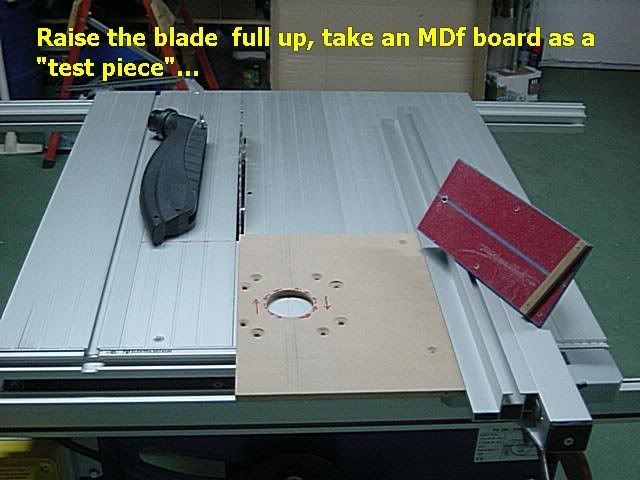
    The test must be done with the blade at "full up" position.

    The "test piece" should be of MDF

    Toooooo the pics.......

    Regards
    niki
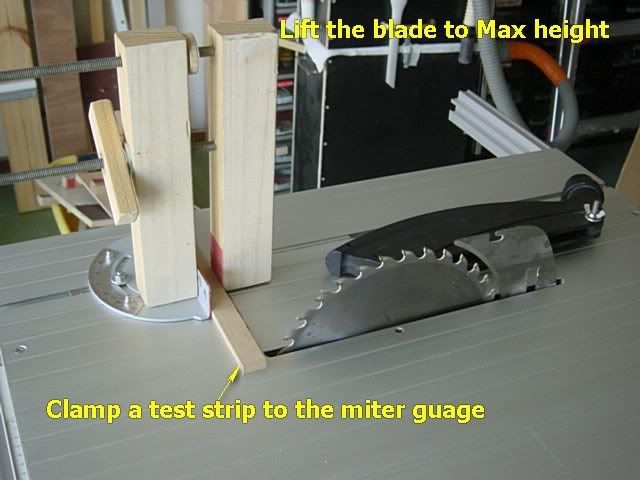


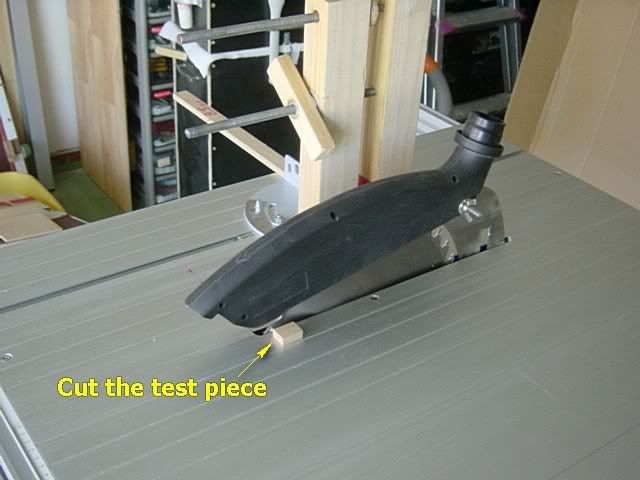
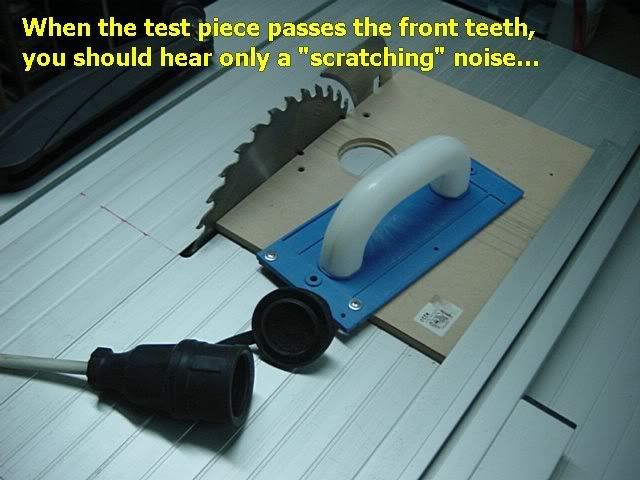
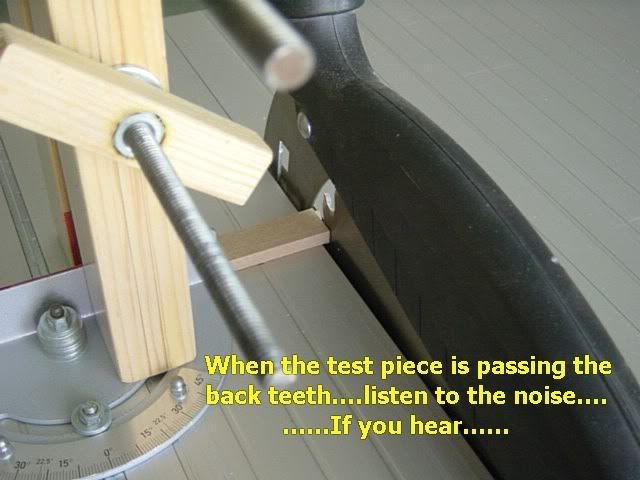
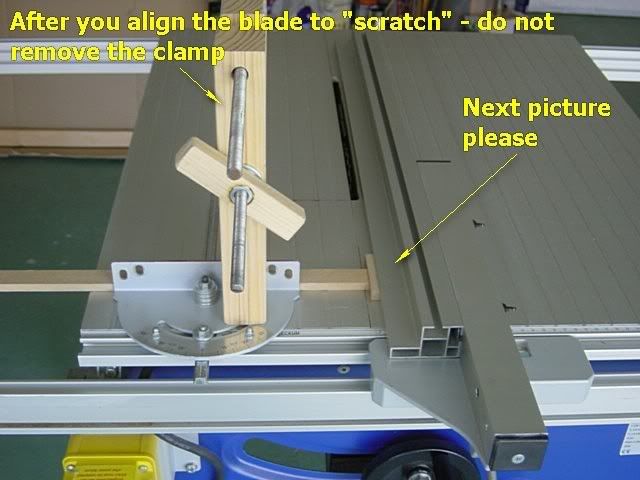
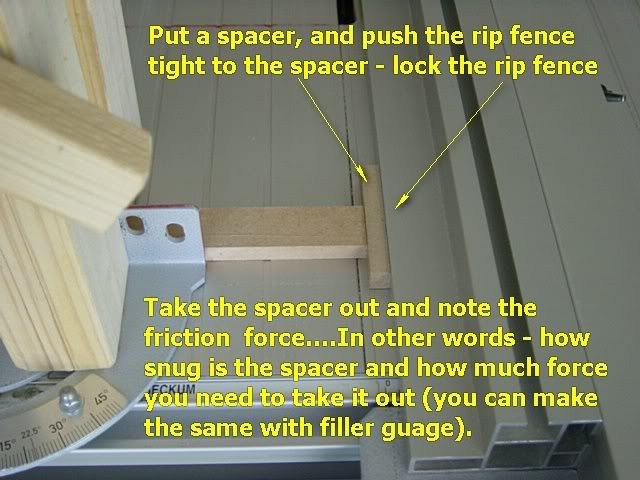
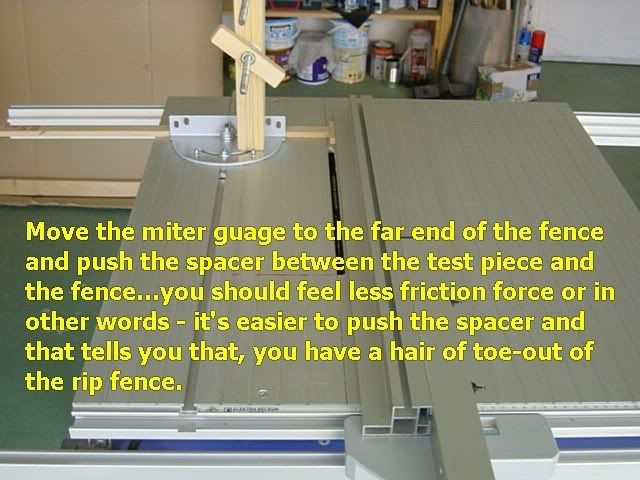
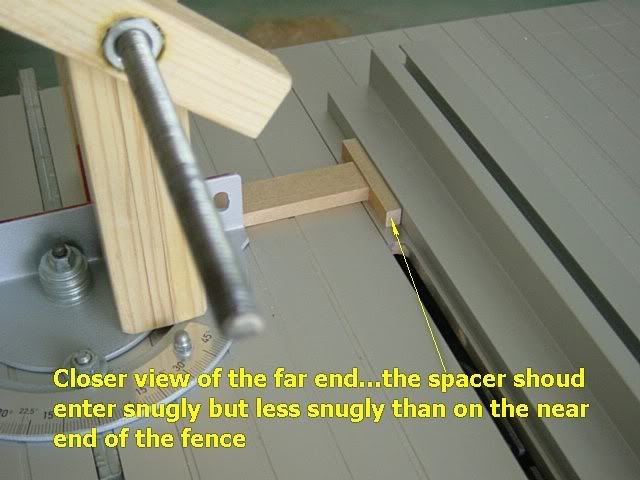
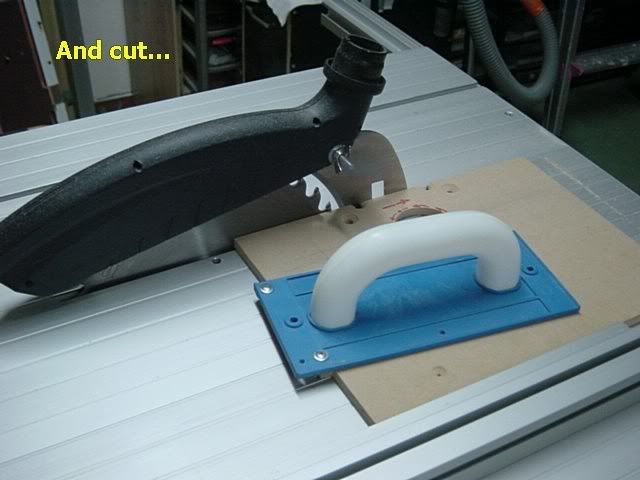
    On this pic (and the next one), I'm showing the blade stationary which is not the case.
    You should push the test piece past the blade while the blade is running at normal speed and listen to the sounds...


  • niki
    Senior Member
    • Nov 2006
    • 566
    • Poland
    • EB PK255

    #2


    Comment

    • steve-norrell
      Veteran Member
      • Apr 2006
      • 1001
      • The Great Land - Alaska
      • BT3100-1

      #3
      Niki,

      Great idea and excellent tutorial -- as usual. It looks like you have a saw where the alignment is achieved by adjusting the position of the motor and blade.

      I have been using with my INCRA miter gauge to check alignment of a miter table on the BT3100, in much the same was as you describe, but any alignment requires that you adjust the position of the miter table, not the blade. Your tutorial describes the technique much more clearly than I could.

      Recommended reading.

      Regards, Steve

      Comment

      • SARGE..g-47

        #4
        Nice tutorial as always, Niki. I might just try one of those "shorty" fences as that looks like a clever idea.

        Regards... from one that is waiting on a new saw and the short fence is already built and waiting on the assembly table.

        Comment

        • niki
          Senior Member
          • Nov 2006
          • 566
          • Poland
          • EB PK255

          #5
          Thank you so much

          Steve
          You are correct. The Motor/Arbor unit is held at each end of the table and I just have to turn some nuts to move it left/right

          Hey SARGE
          I know that you posted the short fence long before I was member but, I just wanted to remind it to the new comers....you can add a link to your post - no problems...

          I hope that the new fence is also an "High fence/Low fence"...I love the "Low fence" actually, I don't remember using the "High fence" - I don't do any re-sawing....

          Regards
          niki

          Comment

          • just started
            Senior Member
            • Mar 2008
            • 642
            • suburban Philly

            #6
            I will try your alignment method Niki, it looks good and easy to do. I'm sure I just missed it when you posted it, but how do you make the clamp you used on the miter gage?

            Comment

            • niki
              Senior Member
              • Nov 2006
              • 566
              • Poland
              • EB PK255

              #7
              Originally posted by just started
              I'm sure I just missed it when you posted it, but how do you make the clamp you used on the miter gage?
              Yeap, you missed it....

              Here you go
              http://www.bt3central.com/showthread.php?t=33952

              Regards
              niki

              Comment

              • SARGE..g-47

                #8
                Greeting Niki... I was just kidding with you. As you know I caught the short fence bug about 6 years ago thanks to Richard Jones (Sgain Dubh) and have used it since. I consider that one of the best moves I have ever made in TS safety. But again.. only one as there are more as you know having Euro training.

                And.. I think it would be of benefit to post what you did about every two months. Someone that has seen it today or yesterday may not always be the person viewing in the future as new-comers arrive on the scend daily. So.. I hope to see your post on a few other sites also for the same reason.

                And besides.. no one... I repeat no one does as good of job as you with illustrations and accompanied by excellent explanation as far as I am concerned. You are a master of both, sir.

                So... I will get back to what it was I was doing. If you get one convert today from the post it is well worth it IMO. Maybe another tomorrow and one the next day. Rome wasn't built in a day and neither will changing minds of those that have done it a different way for many years. All you can do is lay out the information as you have done and hope someboby realizes the benefit.

                Regards from the southern U.S.A......

                Comment

                • niki
                  Senior Member
                  • Nov 2006
                  • 566
                  • Poland
                  • EB PK255

                  #9
                  Thank you so much for your compliment SARGE

                  I remember your story about your training with Richard Jones from one of your posts.

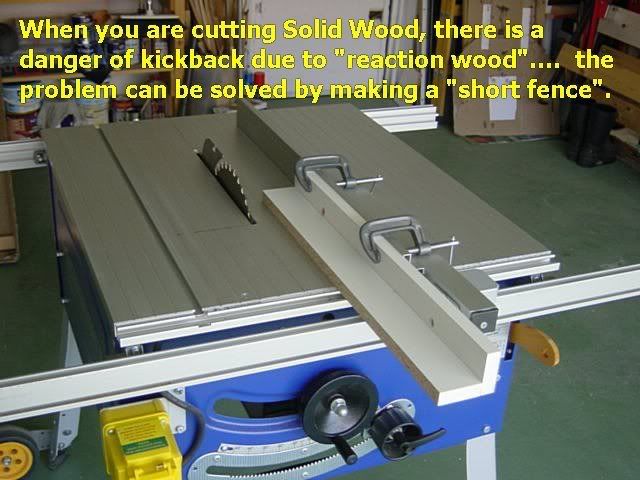
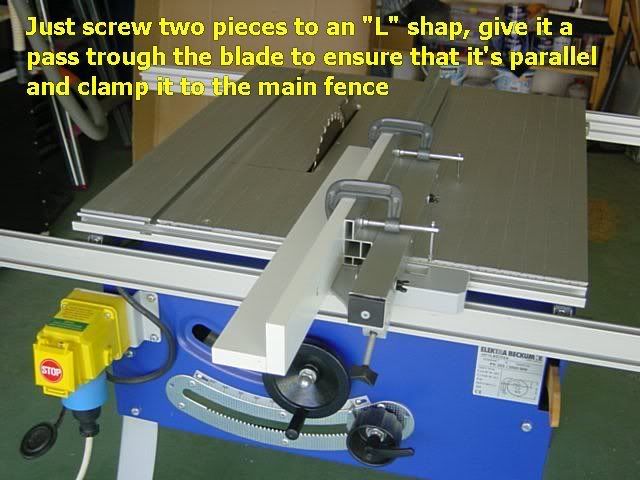
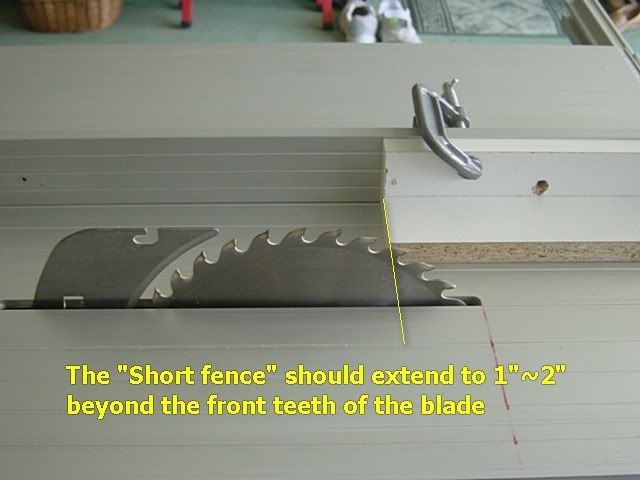
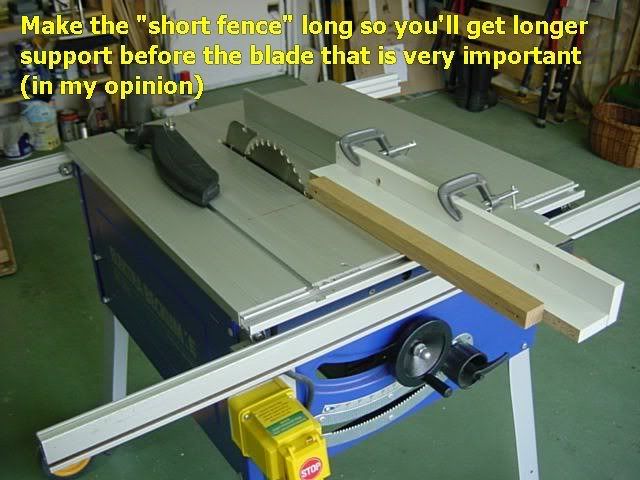
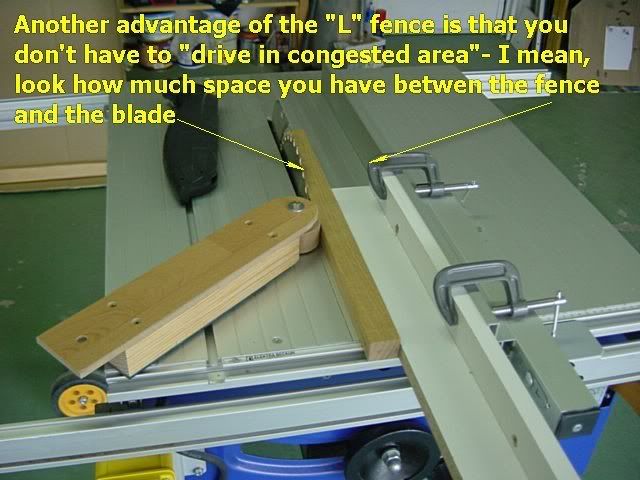
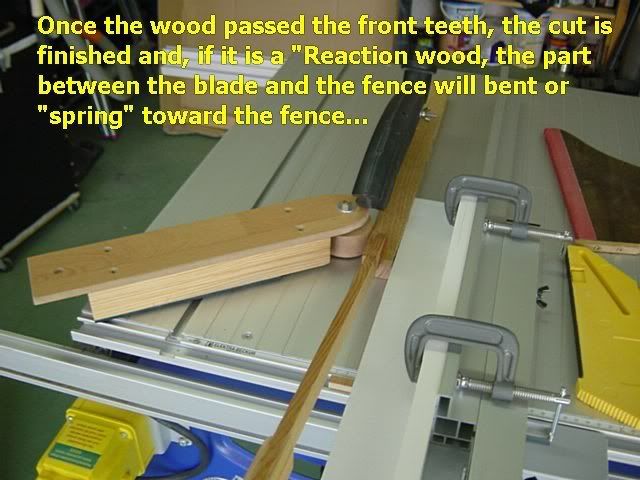
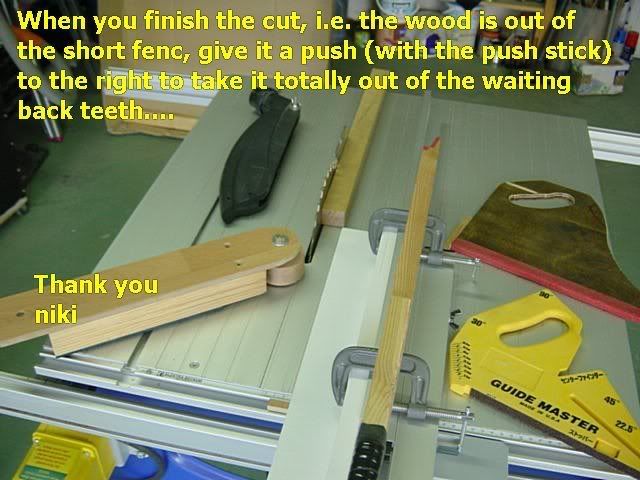
                  As I see it, the short fence gives not only a better protection against kickback but also, a longer support of the workpiece before entering the blade...it looks (and feels) totally different when you have, say, 12" fence before the blade and 30" fence before the blade...especially, when the workpiece is very long.

                  Another advantage of the "Short fence" is that, once the end of the workpiece passes the 1"~2" (after the front teeth), it's already clear and you don't have to struggle to keep it attached to the fence till it gets totally out of the blade...and, using a push stick, it keeps my hand far before the blade...

                  As for the "Re-posting", you are so correct.....I've seen, sometimes, the same subject/question posted again and again...as new comers are joining the forums.

                  Regards from mid Poland (50 miles south of Warsaw)
                  niki

                  Comment

                  • jackellis
                    Veteran Member
                    • Nov 2003
                    • 2638
                    • Tahoe City, CA, USA.
                    • BT3100

                    #10
                    I agree that a reminder would be helpful. In this case, I'm reminded that the short fence is also helpful for thin rips. of which I must make 20 next week.

                    Comment

                    • cabinetman
                      Gone but not Forgotten RIP
                      • Jun 2006
                      • 15216
                      • So. Florida
                      • Delta

                      #11
                      As a daily user of a tablesaw I have my own opinion of a "short fence". I've tried a short fence, and don't like it. I feel it's not a cure all for kickback. In theory, not trapping the stock between the blade and the fence seems to make sense, but IMO, once the stock passes the cutting edge it has the freedom to go either left or right. It's not always the fact that kickback is from stock being trapped and pushing over into the blade. If the stock has the ability to move into the blade at the rear of the cut, the possibility exists of getting caught.

                      A longer feed in fence being a short fence may help in guidance but it's still the point of where the stock is guided at the front of the blade. The point at the end of the fence provides a fulcrum, or IOW, a pivot point for the stock to turn, which is before the back of the blade which increases the possibility of contact in the event of movement after the cut. Once the stock is past the front of the blade, there is no support for the right side of the stock. Using a push stick at that point of the cut is useless. It may, be the cause of having a directional change to the forward movement.

                      Having a longer feed in fence gets in my way while using the saw. I don't like having protrusions sticking out in front of me while cutting material, especially sheet stock, where I can't see the fence because it's covered up by the sheet.

                      I can remember talk about using a "short fence" over 25 years ago. And after using one made up my own mind. This may be a craze in Europe, but I have to feel comfortable in my own shop. It's a matter of what makes me safe. I feel using proper operating technique like having stock tight to the table and fed tightly against the fence is paramount. Kickbacks can be a simple operator error of watching the blade and not concentrating on the stock against the fence, and there is a slight drift off the fence.

                      There's risk in many procedures that can be minimized. Then there are those that just happen no matter what. Did ya ever cut yourself shaving?
                      .

                      Comment

                      Working...